Active visitors
Bodyboarding, swimming, walking, and park time can fit into one stop when the water and crowd allow.
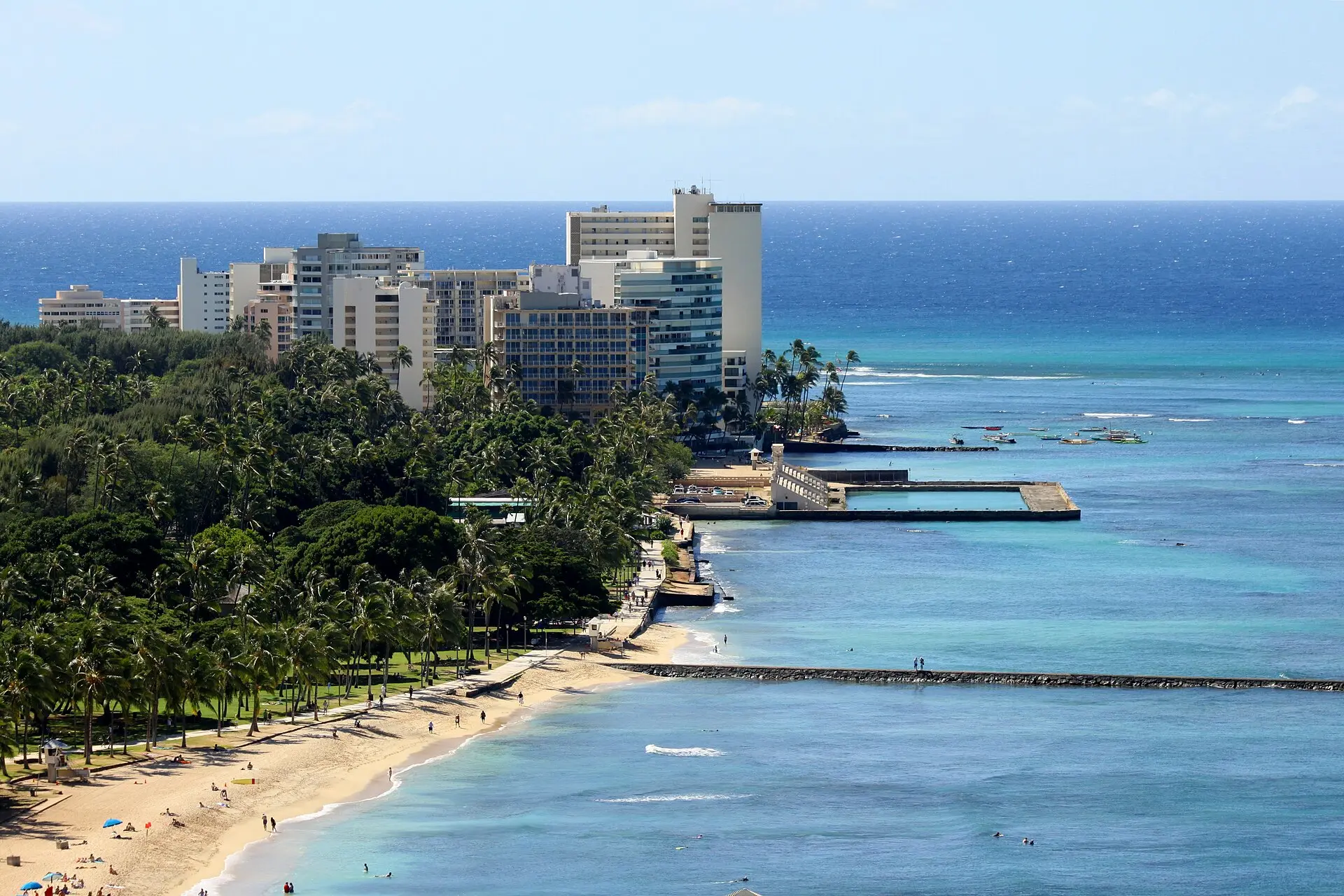
Find more breathing room near Kapiʻolani Park, with bodyboarding, reef interest, a long shoreline walk, and easy access to the Honolulu Zoo.
A different side of Waikiki
Queen's Beach, often called Queen's Surf Beach, begins on the Diamond Head side of the Waikiki Wall and follows the shoreline beside Kapiʻolani Park. The hotels sit farther back than they do in central Waikiki, so the setting feels more open and connected to lawns, walking paths, palms, and the nearby Honolulu Zoo.
The water is less enclosed than the protected swimming areas at Kūhiō Beach. Reef, groins, seawalls, and changing swell shape the experience. On an appropriate day, visitors swim close to shore, bodyboard, or explore with a mask. On a rough or murky day, the smarter visit may be a shoreline walk and picnic in the park.
This is a useful choice for travelers staying on Waikiki's Diamond Head side, repeat visitors who want a less hotel-centered atmosphere, and active beachgoers comfortable making decisions from current conditions rather than from a fixed itinerary.
The quick plan
Check the lifeguard tower before unpacking equipment. Calm, clear water may support swimming or cautious snorkeling. Waves, current, low visibility, or warnings should move the plan back to shore.
Match the beach to your day
Queen's rewards flexibility. It is not the best choice when your plan depends on guaranteed gentle water.
Bodyboarding, swimming, walking, and park time can fit into one stop when the water and crowd allow.
The park-side setting feels less enclosed than hotel-front Waikiki while remaining close to restaurants and transit.
Combine a morning at the Honolulu Zoo with a picnic or dry beach stop across the street.
When water movement is the concern, the protected sections at Kūhiō Beach may be a more comfortable starting point.
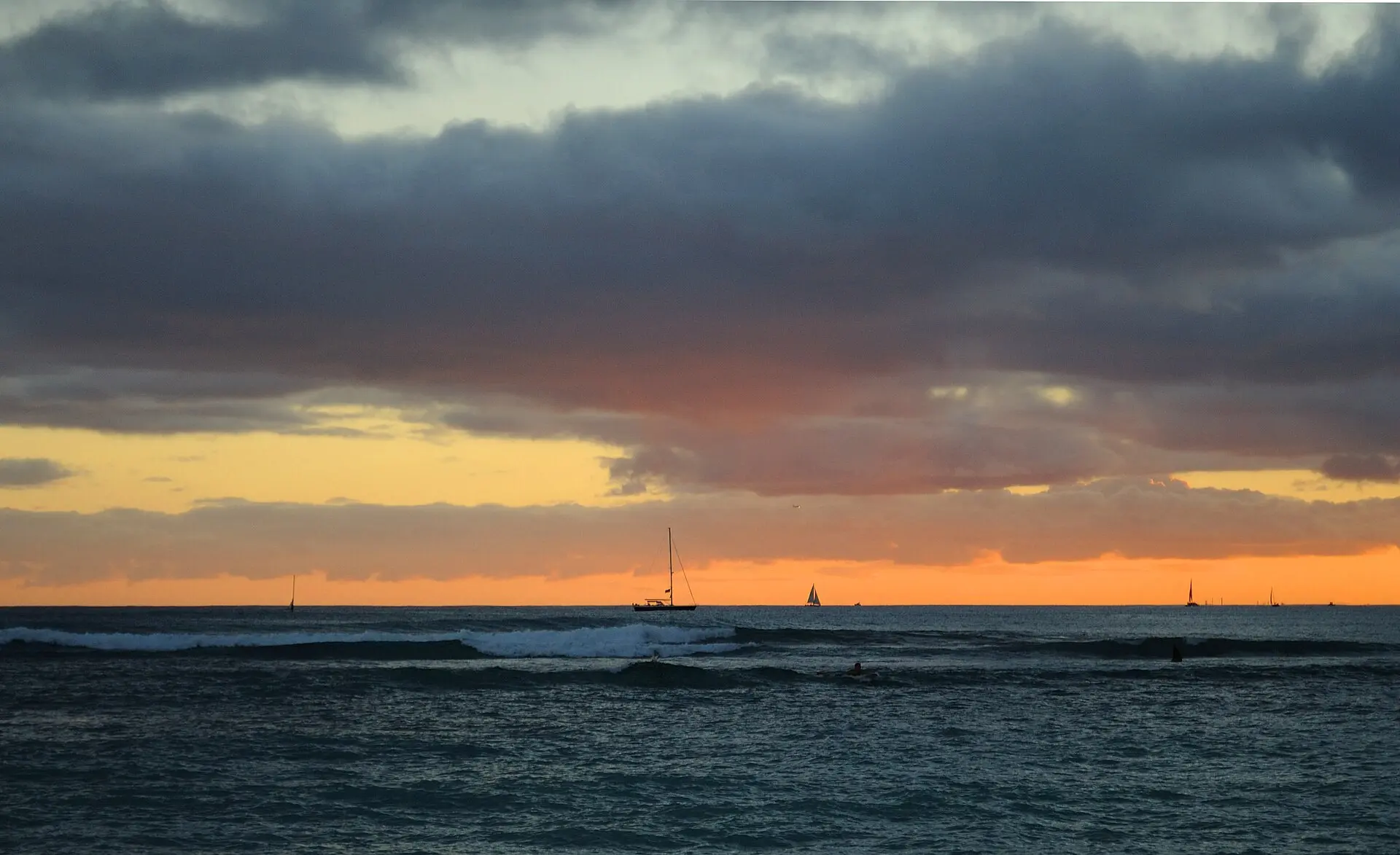
Open water changes quickly
Queen's can look gentle from the park while waves break over reef farther out. Channels, submerged objects, shorebreak, rip currents, and sudden depth changes are among the hazards identified for the Waikiki shoreline. Conditions can differ over a short distance.
Choose one good activity
Swimming: stay close to shore in the area recommended by lifeguards. A sandy entry can look easy, but water movement and bottom conditions still vary. Weak swimmers should not use a board or float as a substitute for skill.
Bodyboarding: Queen's can have small, rideable waves, which is part of its appeal. Use a soft board with a secure leash, keep clear of swimmers and hard structures, and stop when the shorebreak becomes stronger than your ability.
Snorkeling: reef patches may offer more visual interest than central sandy sections, but visibility and access are inconsistent. Never force a snorkeling plan into cloudy, rough, crowded, or warning-flag conditions.
Park time: the easiest all-conditions plan is a walk along the promenade or a shaded break in Kapiʻolani Park. The park gives families and mixed-ability groups a comfortable place to regroup without leaving the area.
Practical visitor guide
Exact location
Along Kalākaua Avenue opposite the Honolulu Zoo and beside Kapiʻolani Park, Honolulu, HI 96815.
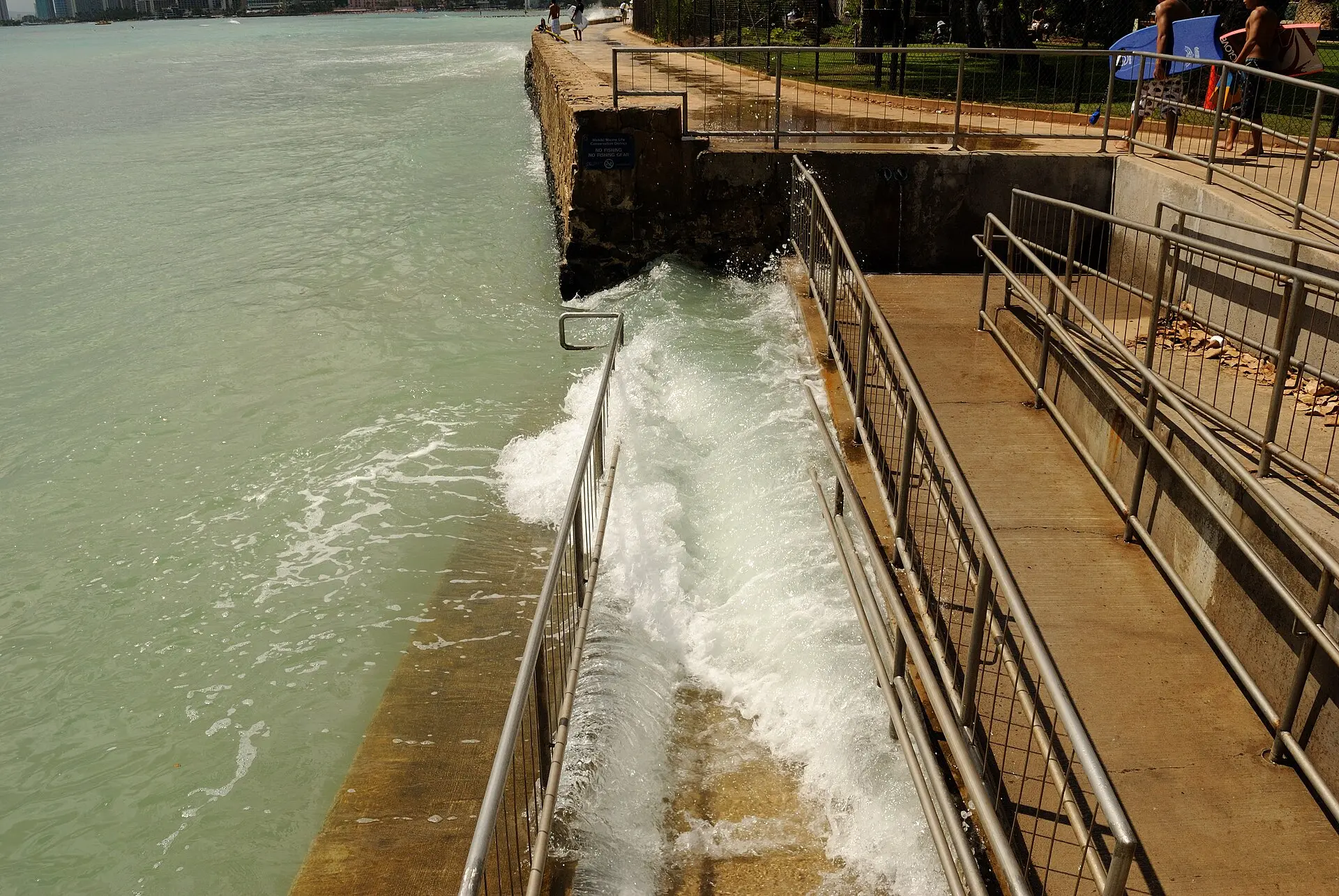
Follow the beachfront or Kalākaua Avenue past Kūhiō Beach and cross the Waikiki Wall boundary.
Services along Kūhiō and Kapahulu place visitors within a short walk. Confirm current routing.
Zoo and street parking are limited. Check rates, time limits, event restrictions, and closing hours.
Build a flexible half-day
See the water before deciding whether the day suits swimming, bodyboarding, snorkeling, or a dry visit.
Swim under lifeguard guidance or visit the Honolulu Zoo before the strongest midday heat.
Keep food away from wildlife and take every item with you when leaving the grass or beach.
Our Kapiʻolani Park guide connects the beach with the Waikiki Aquarium and Diamond Head views.
Quick answers
It can be suitable near shore when conditions are calm and lifeguards recommend the area. It is more open than the protected sections at Kūhiō Beach, so waves, reef, current, and hard structures require extra attention.
Yes. Both names are commonly used for the beach on the Diamond Head side of the Waikiki Wall beside Kapiʻolani Park.
Only when conditions are calm, visibility is good, and the lifeguard identifies an appropriate area. A first-time snorkeler should stay with a capable partner and avoid reef, walls, channels, waves, and crowded bodyboarding zones.
The park and nearby facilities work well for families, but the water may be less predictable than at protected Kūhiō or Duke Kahanamoku Lagoon. Make the decision from the day's conditions and supervise children directly.
Restrooms and outdoor showers are available around the Kapiʻolani Park and Waikiki beach area. Temporary maintenance, events, or overnight closure periods can affect access.
Early morning usually offers cooler temperatures, more space, and a quieter park-side atmosphere. Swim during scheduled lifeguard hours and avoid committing to any water activity before checking conditions.
Visitor information was reviewed against Safe Beach Day's Waikiki guidance and the official Hawaiʻi Ocean Safety lifeguard list. Conditions, warnings, schedules, facilities, wildlife buffers, rules, and access can change. Read current signs and speak with lifeguards before entering the water.