Walk or jog
Use the broad perimeter paths for an easy morning route with park, city, and Diamond Head views.
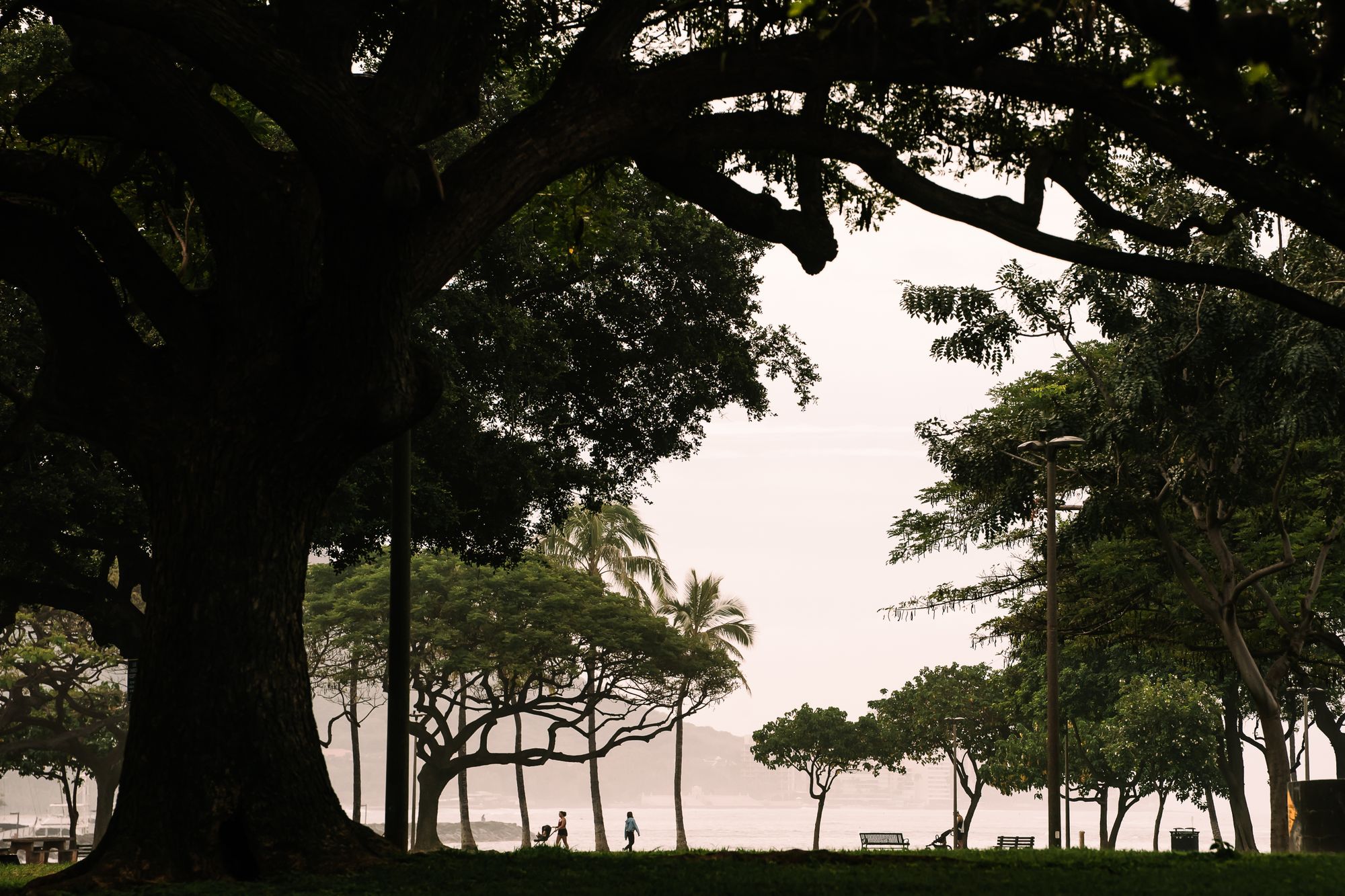
A spacious green pause at the Diamond Head end of Waikiki, made for morning walks, family time, picnics, birdwatching, and an easy connection to the beach.
Waikiki's green space
Kapiʻolani Park begins where Waikiki's busiest beachfront blocks start to open up. Lawns, broad trees, playing fields, and long paths create a relaxed buffer between the resort district and Diamond Head.
It is not one single attraction with an entrance gate. The park works more like a flexible neighborhood landscape: walk a loop, sit under a tree, watch local sports, look for birds, or use it as a scenic route between the Honolulu Zoo, Waikīkī Aquarium, and nearby beaches.
The setting feels most rewarding in the cooler morning or late afternoon. Midday is still pleasant in shaded areas, but open lawns and paths can be hot, so bring water and sun protection.
At a glance
No reservation or admission ticket is required for the public park itself. Nearby venues keep their own hours and ticket policies.
Choose your pace
Use the broad perimeter paths for an easy morning route with park, city, and Diamond Head views.
Bring breakfast or takeout and choose a spot away from the busiest field activity. Shade changes through the day.
The lawns offer room to move between more structured stops at the zoo, aquarium, or beach.
Watch for Manu-o-Kū, also called white terns, along with rose-ringed parakeets and other Honolulu birds.
Sports, community gatherings, and everyday exercise give the park a lived-in character beyond the resort strip.
Walk toward Queen's Surf or Kaimana Beach when you want to trade the lawns for a swim or shoreline break.

A simple half-day
Kapiʻolani Park is most useful as the quiet center of a larger east Waikiki outing. Pair open space with one nearby attraction and a beach stop instead of trying to cover everything at once.
Around the lawns
These stops sit in or beside the park, making them easy to combine without another drive across Honolulu.
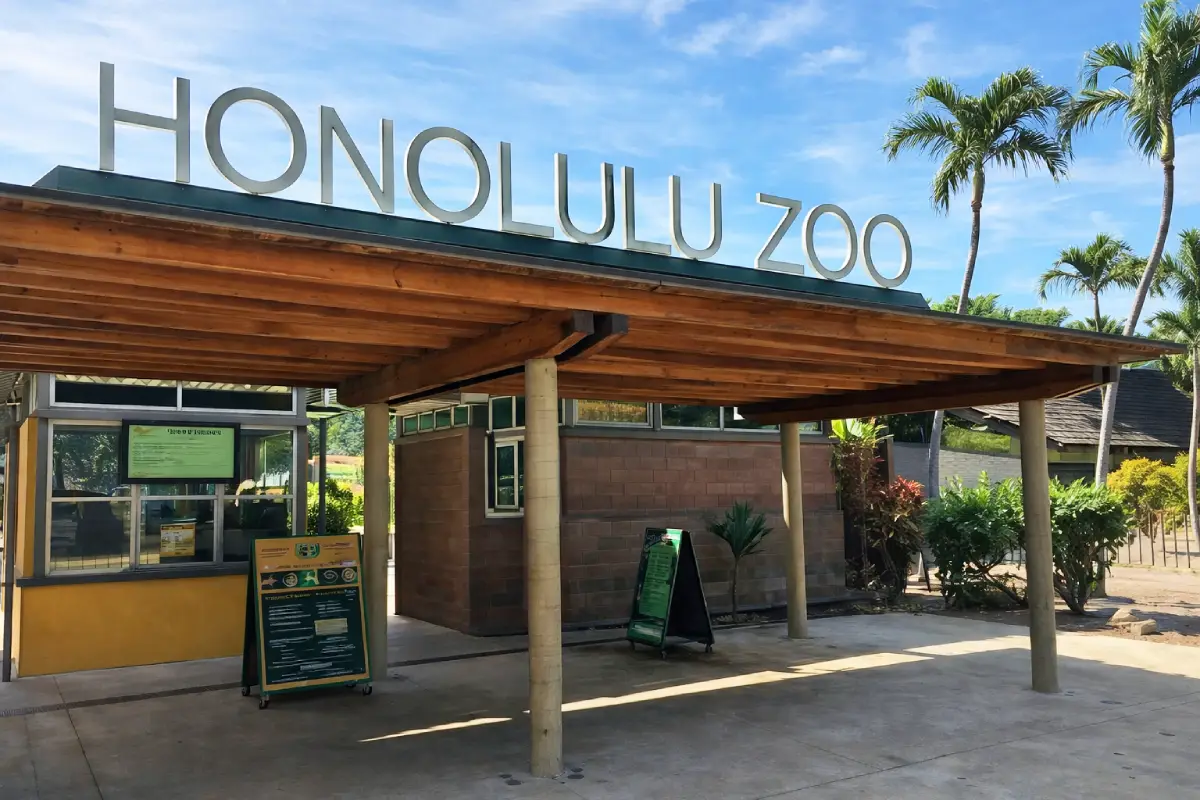
A 42.5-acre family attraction at the Kapahulu Avenue edge of Kapiʻolani Park.
Explore the zoo →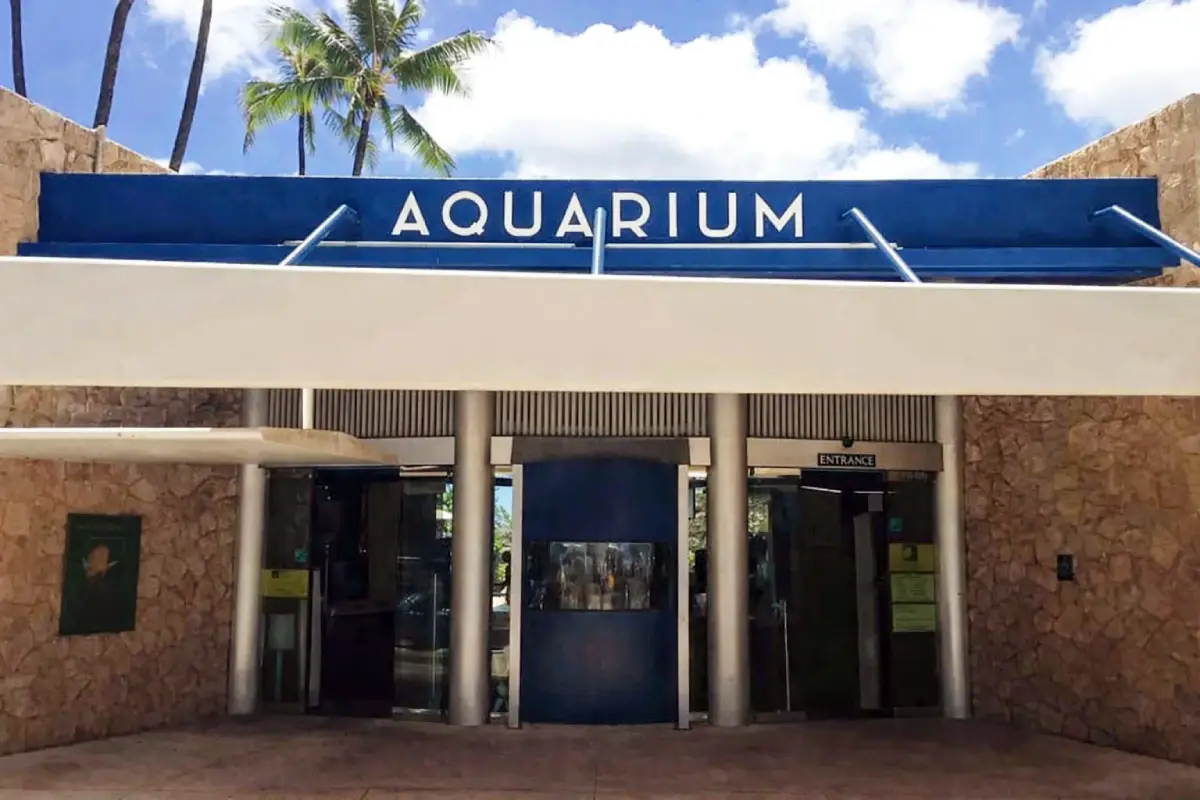
A compact marine-life visit beside the water, easily paired with a park walk or beach stop.
Explore the aquarium →
Continue west along the coast toward the Duke Kahanamoku statue and the heart of Waikiki Beach.
See nearby attractions →Practical visitor guide
Exact location
3840 Paki Avenue, Honolulu, HI 96815. The park extends across a broad area between Waikiki, Paki Avenue, and the Diamond Head side of the neighborhood.
From the Duke statue area, follow Kalākaua Avenue toward Diamond Head and the landscape gradually opens into the park.
Because the park is large, navigate to the zoo, Shell, aquarium, or Paki Avenue side if one is your main destination.
A named drop-off such as Honolulu Zoo is usually clearer than asking for the center of the park.
A royal public landscape
Kapiʻolani Park is more than recreational space. Its history connects the Hawaiian Kingdom, Waikiki's growth, civic gathering, sport, culture, and the long effort to keep a large public landscape at the edge of the resort district.
The City and County of Honolulu describes the park as about 200 acres and one of its largest public spaces.
King David Kalākaua used the broad, dry area for polo and other outdoor recreation.
The park was formally dedicated in honor of Queen Kapiʻolani and became an important public landscape.
The City of Honolulu assumed responsibility for Kapiʻolani Park, according to the Honolulu Zoo's official history.
The wider park includes the Honolulu Zoo and Waikīkī Shell, while its lawns and paths remain everyday public space.
Quick answers
Yes. General access to the public park is free. The Honolulu Zoo, Waikīkī Aquarium, ticketed events, and some organized activities have separate admission or permit requirements.
The park begins at the Diamond Head end of Waikiki and is walkable from the main beachfront. Your exact time depends on the hotel and which part of the large park you want to reach.
Allow one to two hours for a relaxed walk or picnic. Add more time if you are combining the park with the zoo, aquarium, a beach stop, or an event.
Yes. The open lawns and nearby family attractions make it a useful reset between busier activities. Supervise children near roads, parking areas, active sports, and the shoreline.
Yes. Hawaiʻi Birding Trails identifies Kapiʻolani Park as an accessible urban birding location and notes Manu-o-Kū and rose-ringed parakeets among the possible sightings.
Much of the park is broad and relatively level, and recent pathway projects have focused on circulation and accessibility. Conditions vary between paved routes, grass, field edges, and nearby facilities, so plan around the exact destination.
Park details were checked against Honolulu Department of Parks and Recreation, Hawaiʻi Birding Trails, and the Honolulu Zoo. Photography from Pexels includes a Honolulu park scene and the Waikiki shoreline.