African Savanna
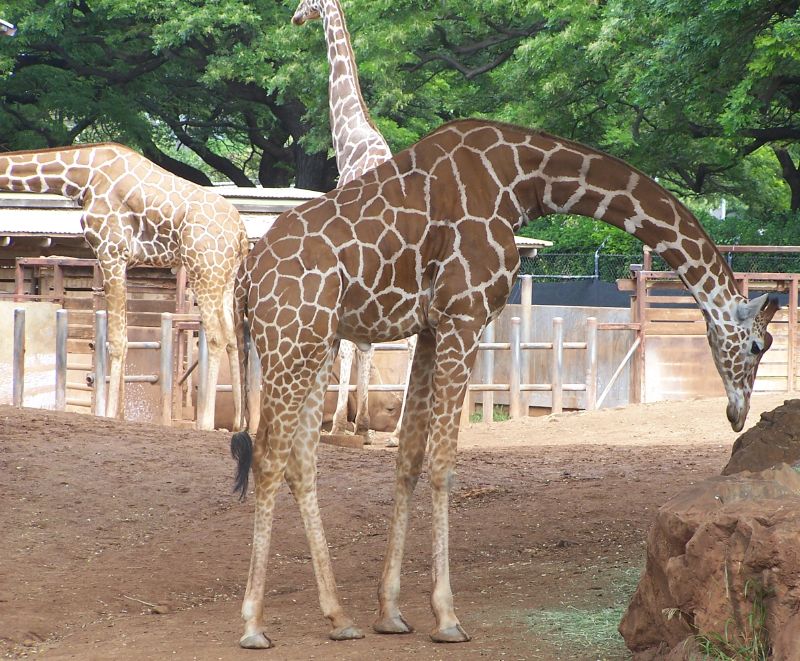
Look for giraffes and other African animals across larger habitats that form one of the zoo's signature zones.
Walk from savanna animals to tropical forest species in a 42-acre zoo set between Kapiʻolani Park and the Diamond Head end of Waikiki.
Green space and wildlife
Honolulu Zoo is the neighborhood's major family attraction, but its appeal goes beyond children. Mature trees, tropical planting, open lawns, and animal habitats create a slower, greener counterpoint to Waikiki's busy streets.
The zoo is organized around broad geographic and ecological areas, including an African Savanna and tropical forest habitats. Giraffes, elephants, primates, reptiles, birds, and smaller species provide variety across a campus large enough to reward a route plan.
Animal activity changes with weather, temperature, feeding, and individual choice. Arrive when entry opens, check the daily keeper-talk schedule, and treat the experience as a relaxed walk rather than a race to collect every habitat.
No reservation required
The zoo currently sells daily admission on arrival. Enter between 10 a.m. and 3 p.m., then leave the grounds by the 4 p.m. closing time.
First-visit priorities
The campus is broad, so these six priorities give a first visit a practical route without promising that every animal will be visible.
Look for giraffes and other African animals across larger habitats that form one of the zoo's signature zones.
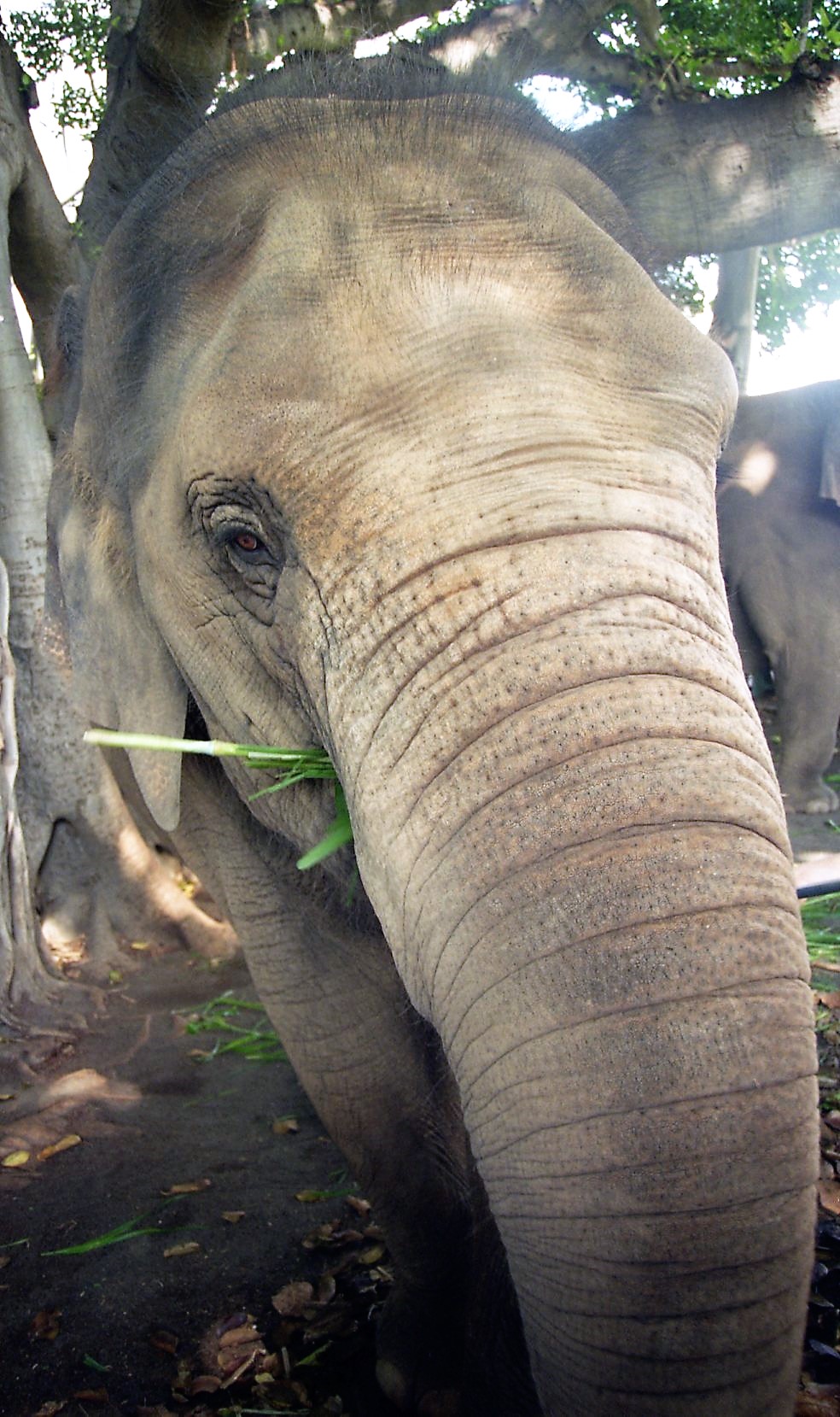
Give the elephant area time and space. Movement, bathing, feeding, and visibility vary across the day.
Slow down near the shaded forest habitats to watch climbing, foraging, social behavior, and quiet resting.
Large lizards and other reptiles reward patient viewing, especially when they blend into sunlit rock and vegetation.
Notice native and Pacific birdlife, then connect the zoo visit to the wild birds seen around Kapiʻolani Park.
A family-focused area adds close-up learning and a useful change of pace during a longer walk around the grounds.
The best strategy
Honolulu's heat matters on a 42-acre walk. Enter at 10 a.m., choose two priority zones, and use the daily program schedule to decide what comes next.
Look closer
Open sight lines and unmistakable silhouettes make the savanna one of the most memorable sections for first-time visitors.
Watch patiently for movement and behavior across a complex habitat, especially during a scheduled keeper program.
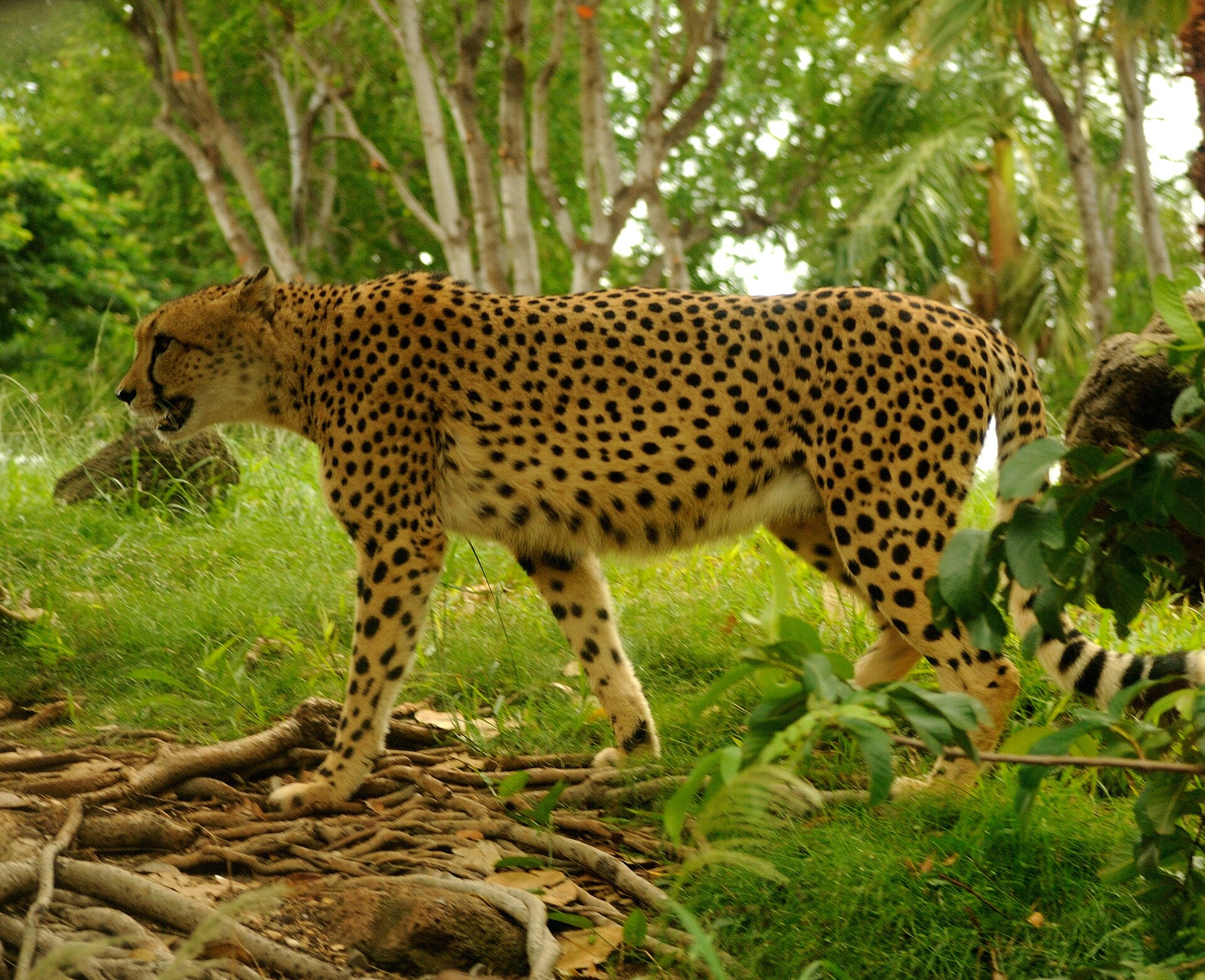
These sleek cats may be active or resting, but the habitat adds a striking contrast to the zoo's forest zones.
A balanced three-hour route
Use a simple loop, build in water and shade breaks, and leave room to adjust for the day's animal activity and keeper schedule.
Cover the broad, open habitats while the day is cooler and energy is high.
Move into shadier zones, slow down for primates, and look carefully for animals resting in vegetation.
Let younger visitors reset, then revisit one priority habitat before walking back toward Waikiki.
Practical visitor guide
Exact location
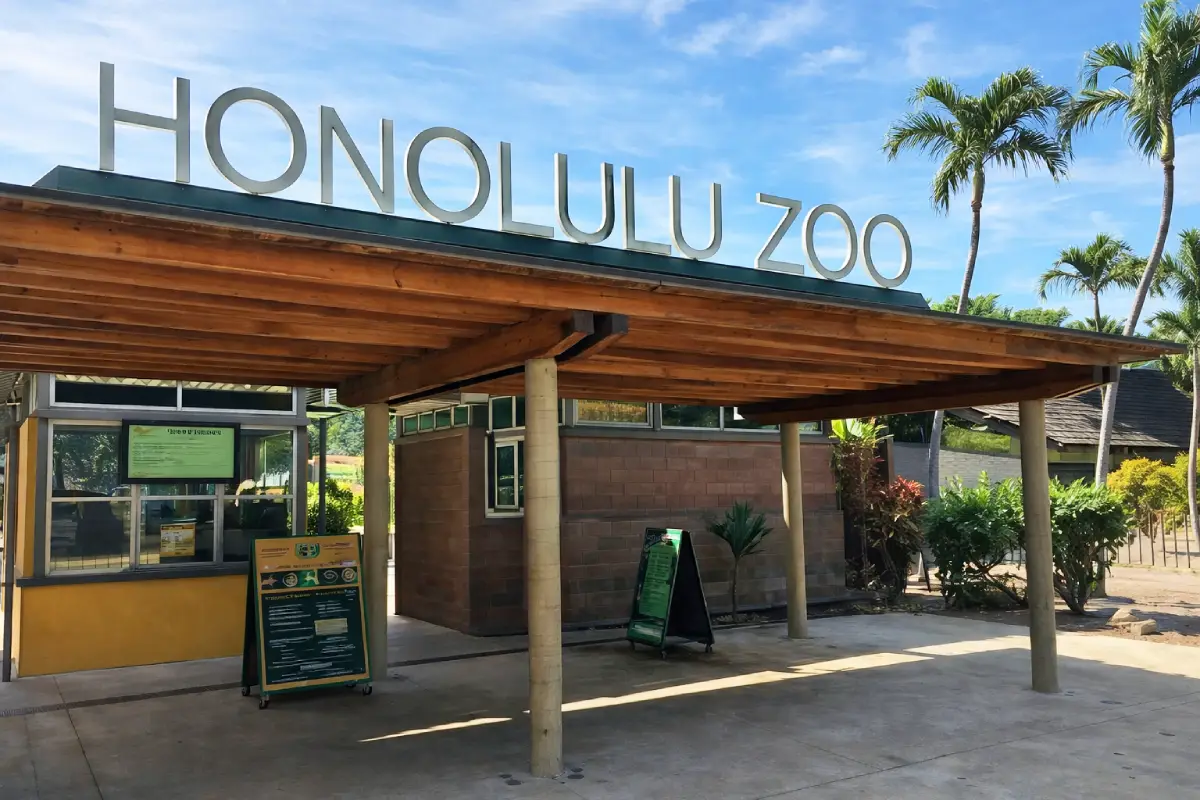
151 Kapahulu Avenue, Honolulu, HI 96815. The entrance is at the eastern edge of Waikiki beside Kapiʻolani Park.
Follow Kalākaua Avenue toward Kapahulu Avenue. The zoo entrance sits beside the park near the eastern end of the resort district.
Multiple public bus routes serve the surrounding streets, and rideshare is practical when heat or tired children make the walk less appealing.
The city lists zoo parking at $1.50 per hour with a four-hour maximum. Machines accept cards, bills, and coins but do not give change.
A royal park became a city zoo
Honolulu Zoo traces its setting to lands made available by King Kalākaua in 1876. Kapiʻolani Park was dedicated the following year, creating the public landscape from which the zoo later grew.
The city took responsibility for the park in 1914, and animal collections gradually developed under its park director. In 1947, about 42.5 acres were formally designated as the Honolulu Zoo. Today it remains unusual as the only United States zoo that originated from a king's grant of royal lands.
Quick answers
Yes for families, animal enthusiasts, and travelers who want a half-day outdoor attraction within walking distance of Waikiki. The tropical grounds are part of the experience, and animal visibility varies.
Allow at least two and a half hours. Three to four hours is more comfortable if you want keeper talks, family breaks, and time to revisit favorite habitats.
No reservation is currently required. The official visitor guide directs guests to purchase admission at the entrance and arrive between 10 a.m. and 3 p.m.
Yes. The Keiki Zoo, open walking spaces, varied animals, stroller rentals, and nearby park make it a strong family choice. Bring sun protection and schedule breaks.
The zoo describes its grounds as wheelchair accessible. Wheelchairs and strollers are available to rent on a first-come basis through the gift shop.
The zoo lot entrance is on Kapahulu Avenue and uses paid metered parking with a four-hour maximum. Arrive early, read the posted terms, and have a backup plan for busy days.
Visitor details were checked against the City and County of Honolulu zoo page, official visitor guide, guest services, zoo app guide, and zoo history. Photo licenses and attribution details are included in the source package.