Reserve your time
Be ready at 7 a.m. HST and choose the earliest practical education show time for your group.
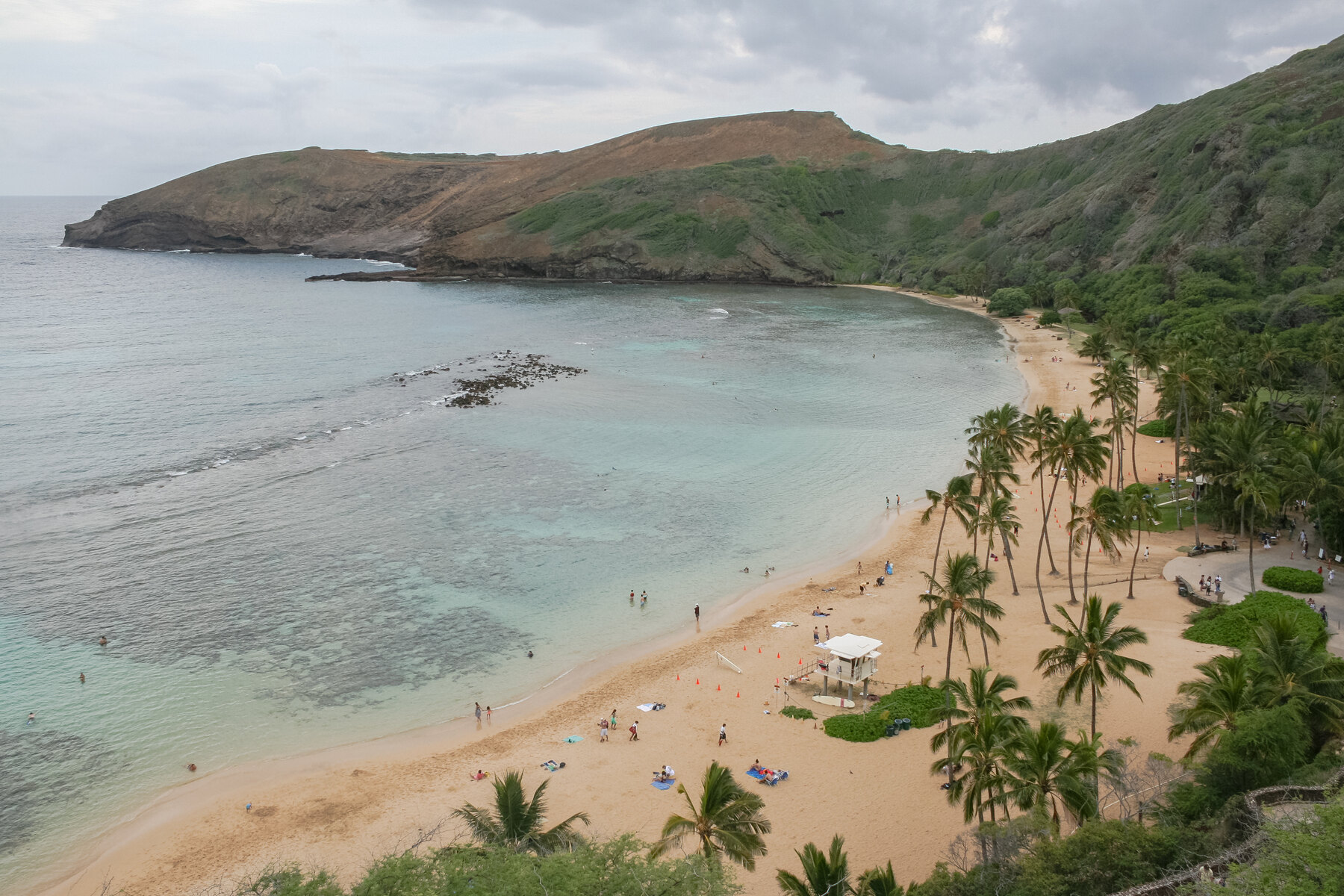
Plan a calm, conservation-minded morning inside Oʻahu's best-known marine preserve, about 30 minutes from Waikīkī.
More than a beautiful beach
Hanauma Bay Nature Preserve combines one of Oʻahu's most recognizable coastal landscapes with a managed marine conservation area where first-time snorkelers can see reef fish close to shore.
The curved bay sits inside the remains of a volcanic tuff ring. Its protected shape often produces gentler conditions than exposed beaches, but it is still the ocean. Waves, currents, sharp reef, and changing visibility require attention. Lifeguards are present, yet every swimmer must stay within personal ability.
This is also not a casual drop-in beach. Visitor capacity is controlled, most nonresidents should reserve, every visitor watches an education video, and parking is separate from admission. A successful visit begins with the booking window and a realistic arrival plan.
Secure admission before planning transport
The city's admission-only system releases reservations at 7 a.m. Hawaiʻi Standard Time two days before the visit. Popular morning times can fill quickly. Transportation packages listed by the city can be reserved farther ahead.
The first-visit sequence
Treat the reservation, parking, orientation, and beach descent as parts of one timed arrival rather than separate tasks.
Be ready at 7 a.m. HST and choose the earliest practical education show time for your group.
Review weather, surf, closures, and the city notice before committing to the drive from Waikīkī.
Your admission does not reserve a stall. Arrive with buffer time and keep the reservation confirmation accessible.
Every visitor completes the conservation video on each visit before receiving access to the lower beach.
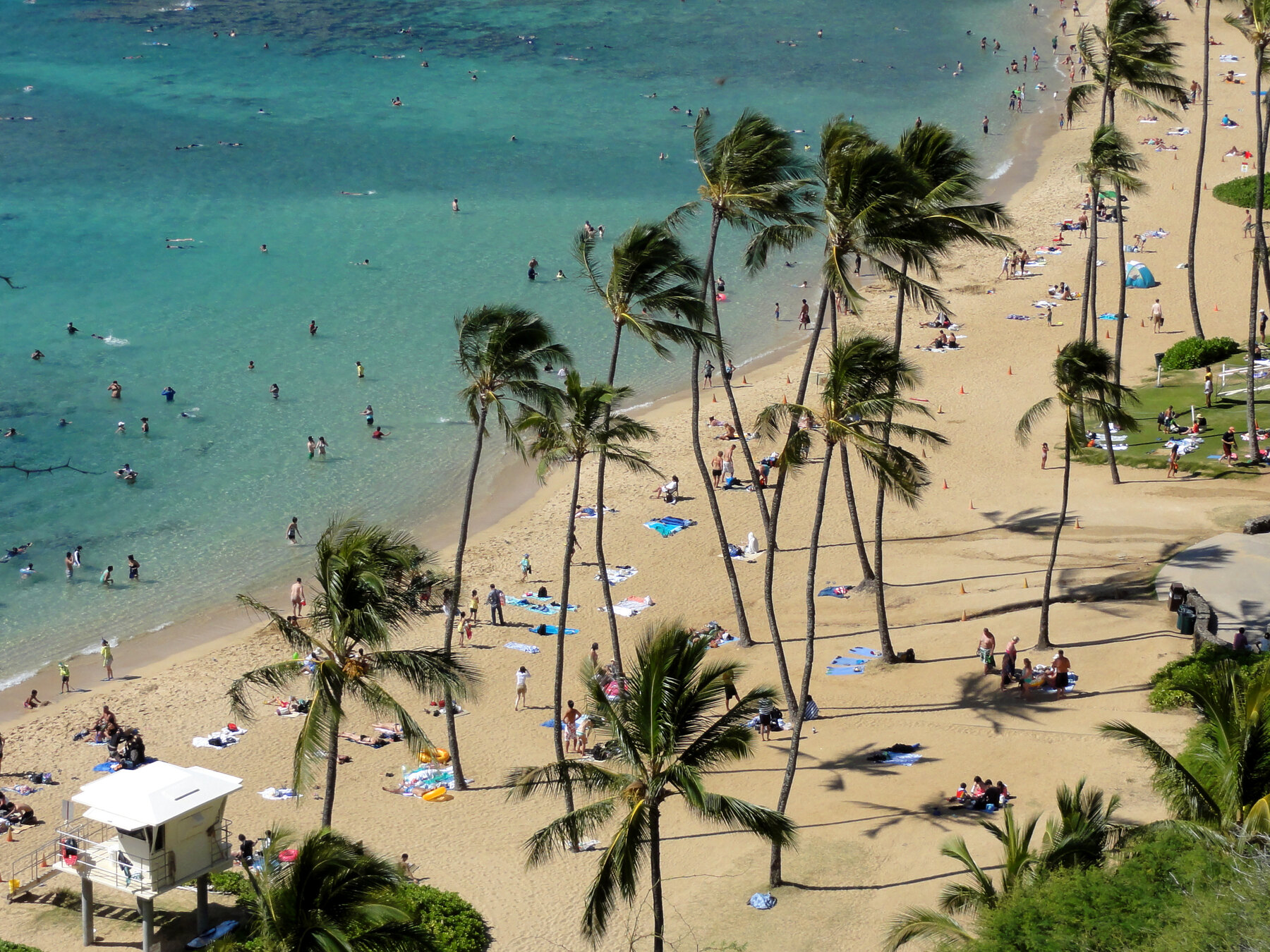
Use the paved path or available tram, organize gear, identify lifeguard towers, and enter in a sandy area.
Keep fins and hands off coral, never feed wildlife, and leave space around fish and other snorkelers.
Start with the easiest water
The inner bay has sandy channels and shallow reef zones, but the route that looks shortest from shore is not always the safest. Ask lifeguards about current conditions and stay where you can return without strain.
Three layers of the experience
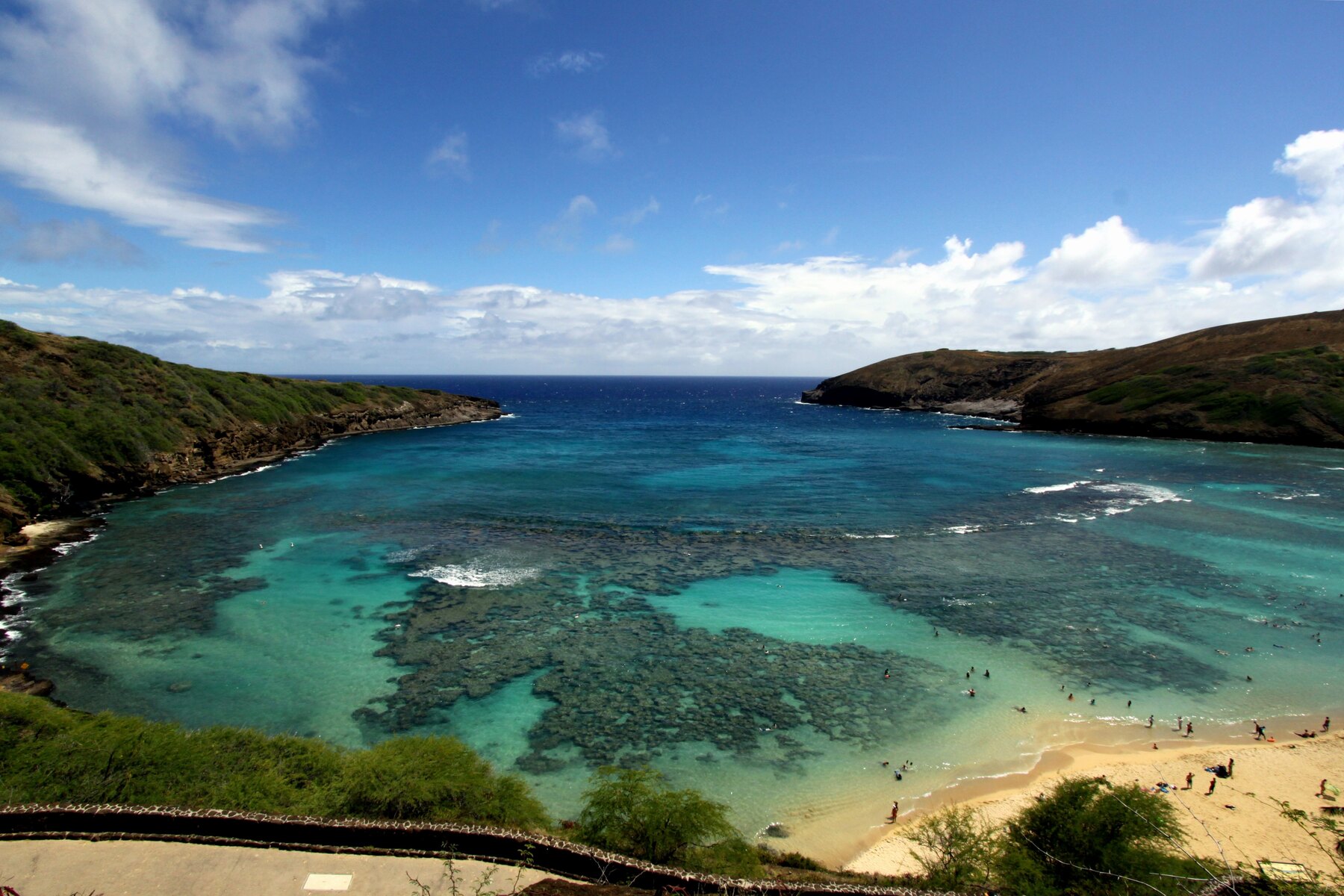
The upper overlook reveals the bay's full crescent, reef pattern, sandy channels, and enclosing ridges before you descend.
The inner bay gives careful beginners a more approachable introduction to ocean snorkeling than many exposed shores.
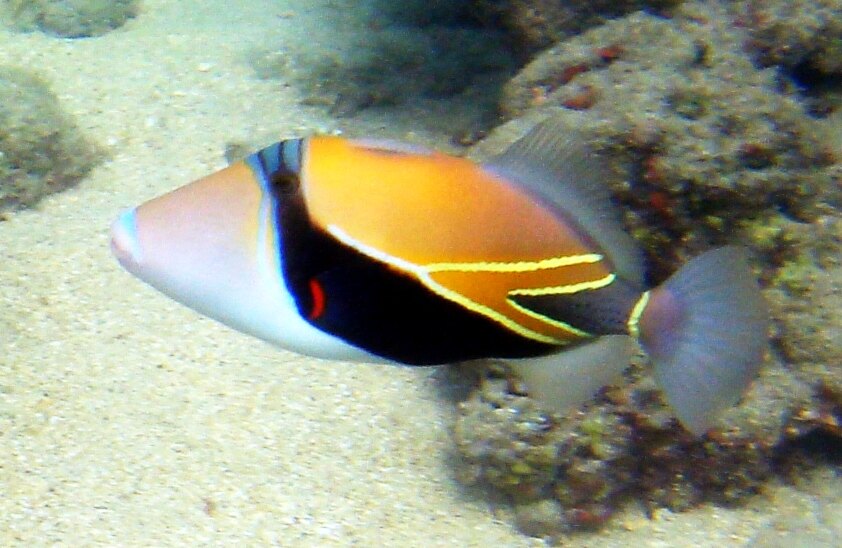
Butterflyfish, surgeonfish, parrotfish, wrasses, and Hawaiʻi's state fish are among the species visitors may encounter.
A balanced half-day from Waikīkī
Early entry creates the best buffer for parking, check-in, ocean changes, and a relaxed return before afternoon traffic.
Allow roughly 30 minutes in light traffic, then add a parking and check-in cushion rather than aiming at the exact reservation time.
Spend the first session learning the water. Rest on shore, hydrate, and only return if conditions and energy remain good.
Use the tram or paved hill, change at the facilities, and leave before the 1:30 p.m. last entry and afternoon clearance period.
Practical visitor guide
Exact location
100 Hanauma Bay Road, Honolulu, HI 96825, along Kalanianaʻole Highway in East Honolulu.
The drive is about 11 miles. Morning traffic is often manageable, but construction and the single coastal corridor can add time.
The city links admission-with-transportation packages bookable up to one month ahead from selected Ala Moana and Waikīkī locations.
City bus service no longer enters the preserve. Route 22 stops along the highway above the bay, leaving an exposed walk.
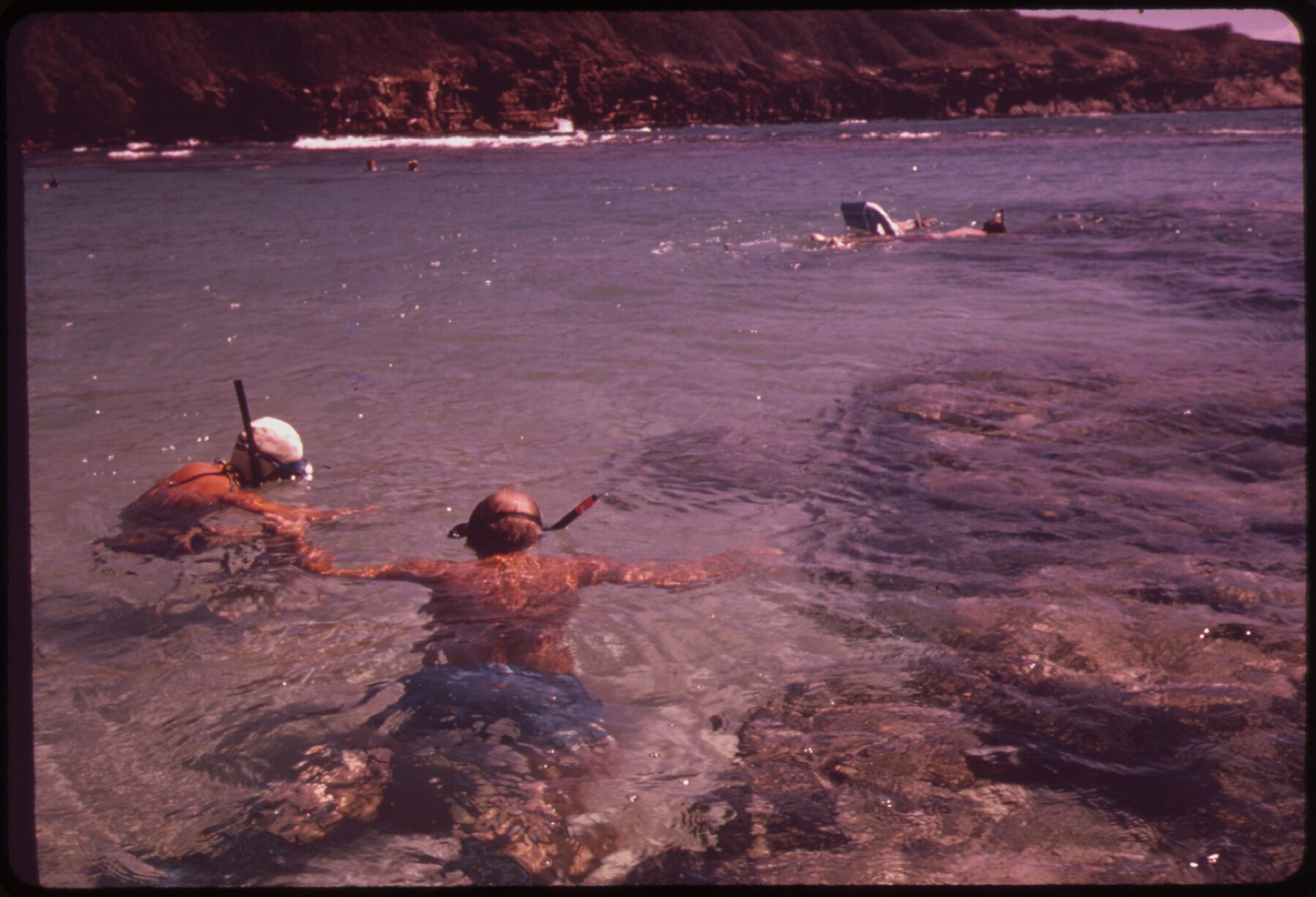
A treasured place under active protection
Hanauma Bay has long cultural importance for Native Hawaiians, including use by paddlers, fishers, and Hawaiian royalty. Its modern popularity grew dramatically after World War II, eventually bringing thousands of visitors each day.
Hawaiʻi designated the bay as the state's first Marine Life Conservation District in 1967. A 1990 management plan reduced attendance, improved facilities, prohibited fish feeding, and strengthened education. The 2020 closure showed how quickly marine conditions could respond to reduced human pressure. Today's reservation limits, closed days, and required video continue that balance between public recreation and ecological care.
Quick answers
Most non-Hawaiʻi residents should reserve admission. The official system opens at 7 a.m. HST two days before the visit. Limited walk-in tickets exist, but they are first come, first served and every group member must be present.
The city currently charges non-Hawaiʻi residents age 13 and older $25 plus the online service fee. Children age 12 and younger enter free. Hawaiʻi residents with accepted state identification and qualifying active U.S. military members and dependents receive free entry under current rules.
It can be a good beginner location when the inner bay is calm, but it remains an ocean environment. New snorkelers should stay shallow, enter over sand, use properly fitted gear, follow lifeguard advice, and never exceed their swimming ability.
An early morning reservation usually provides the most time, the best parking odds, and a better chance of lighter winds. Conditions vary, so check the same-day forecast and ocean safety information.
No. Admission, parking, transportation, and equipment are separate. The parking lot is first come, first served, and the city currently requires cash for parking fees.
Green sea turtles may appear, but no wildlife encounter is guaranteed. Never follow, touch, block, or crowd a turtle. Give all marine animals enough room to move naturally.
Visitor information was checked against the official City and County of Honolulu Hanauma Bay Nature Preserve page and the linked reservation system. Hours, closures, fees, services, and rules can change. Photo licenses and attribution details are included in the source package.